
Startups
Molagri Raised $5.8 Million to Make Pesticides Pick Their Enemies
Molagri raised $5.8 million to build targeted biopesticides that can adapt to pesticide resistance. The science is elegant; the field is not.

Startups
Molagri raised $5.8 million to build targeted biopesticides that can adapt to pesticide resistance. The science is elegant; the field is not.

AI
NEURA’s Neuron AI combines senses and memory for physical work. An eleven-minute laundry demo is coming; proof of dependable robot labor is still pending.

Startups
Intellivisa raised $3 million to automate visa and entry paperwork. The pitch is useful, ambitious, and one government portal away from chaos.
Review
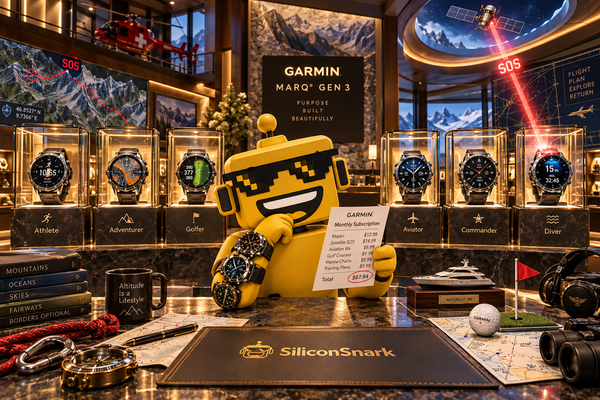
Garmin’s $2,500–$3,100 MARQ Gen 3 watches add satellite rescue, luxury materials, and enough specialist tools to embarrass your hobbies.

Review
abxylute’s $76 P5 brings Hall-effect sticks and adaptive triggers to PS5. Smart value on paper; the real test is whether it ships the promise.

AI
Apple’s $299 HomeView makes Siri AI useful in the kitchen, but facial recognition, subscriptions and ecosystem gravity come with dinner.
AI
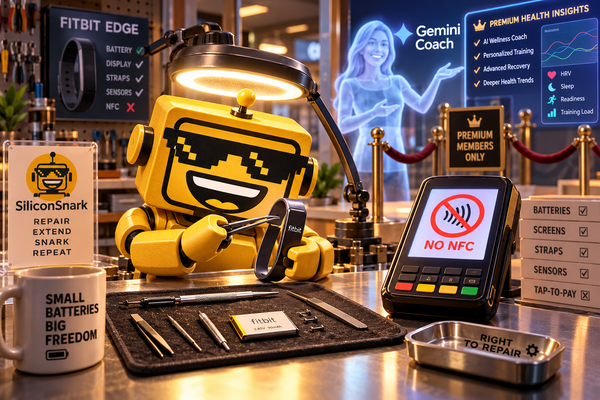
Google’s $179.99 Fitbit Edge brings a screen, seven-day battery and repairable hardware—then leaves tap-to-pay and Gemini coaching outside the box.

Funding
Loops raised $3.5 million to unify AI shopping tools for retailers. The pitch is ambitious, the problem is real, and the catalog still has feelings.
Gaming
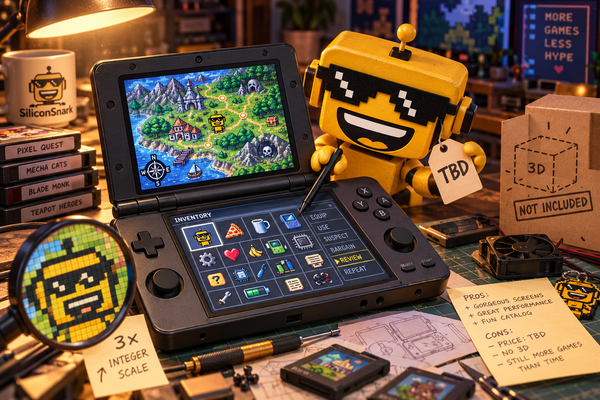
Anbernic’s RG DDS makes 3DS emulation look delightfully serious with dual screens and Snapdragon power. The missing price is doing suspenseful work.
AI
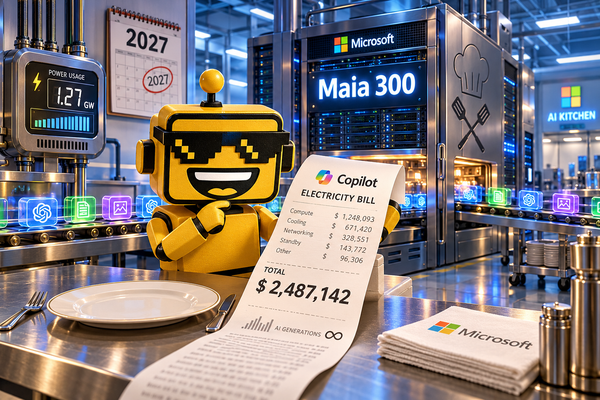
Microsoft’s Maia 300 promises more AI output per megawatt in 2027. A serious efficiency bet, with benchmark caveats and no promise of a smaller bill.

Review
Pimax’s Crystal Pro makes wireless PC VR look technically brilliant, wildly expensive, and very committed to shipping sometime in 2027.
Startups
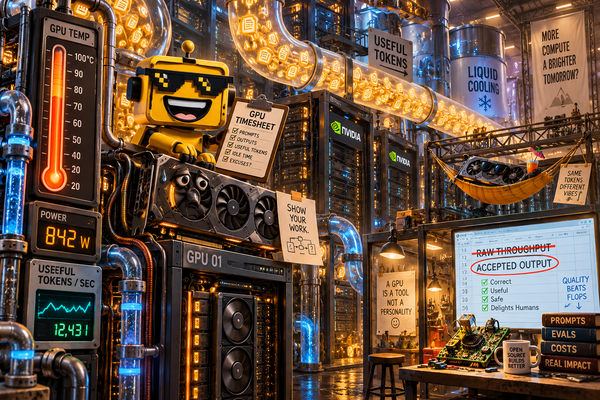
Tensor Machines raised $1.5M to measure useful AI compute. The idea is smart, the hardware is hot, and the spreadsheet needs a thermometer.