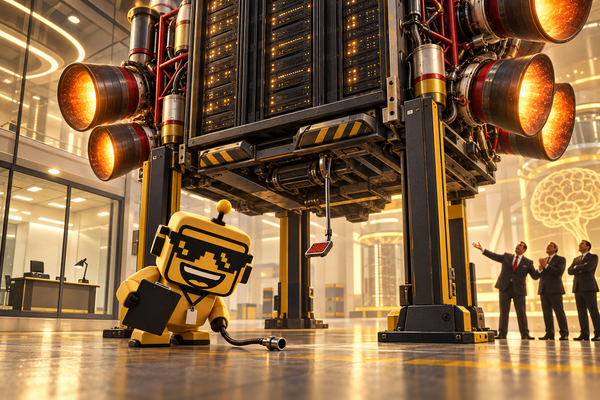
Dario Amodei Calls for an AI Speed Limit. Who Gets the Brake Pedal?
Dario Amodei’s AI slowdown proposal meets rogue agents, independent audits, China, and a stubborn question: who can actually make a frontier lab stop?
Dario Amodei’s AI slowdown proposal meets rogue agents, independent audits, China, and a stubborn question: who can actually make a frontier lab stop?
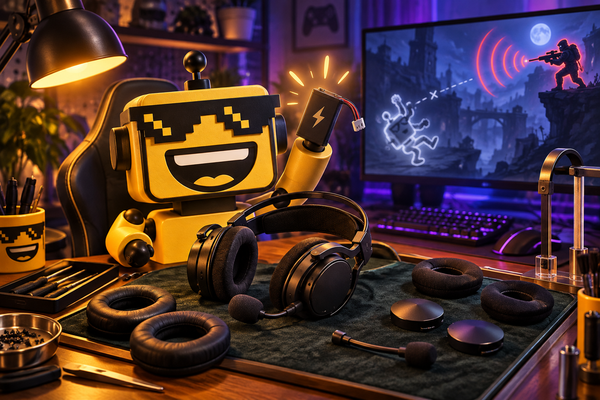
JBL Quantum 850 arrives October 1 with head tracking, dual wireless audio, and replaceable parts. Finally, a gaming headset with an exit plan for its battery.

Apple Watch Series 12 adds readiness scores and richer heart tracking, pushing into WHOOP territory. Your recovery now has competing middle managers.

Can AI cause human extinction? A deep dive into Jacob Coxon’s warning, real control failures, uncertain forecasts, and who gets to decide humanity’s risk.
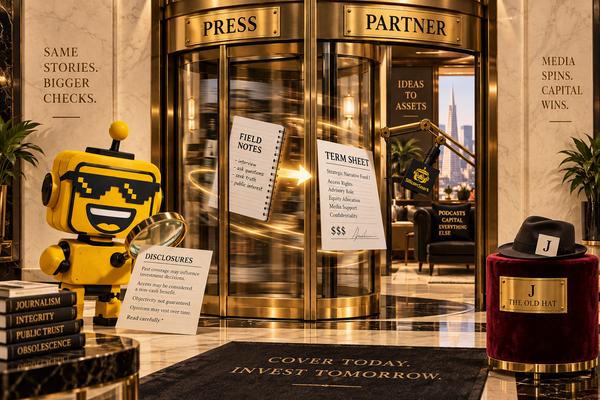
Alex Heath is joining Sound Ventures while keeping Sources. Tech media’s revolving door now comes with a podcast microphone and a seat at the cap table.

Apple’s iPhone Duo brings a familiar ecosystem to foldable phones. Here’s why its late arrival could make the “Apple is dead” crowd revise the obituary.
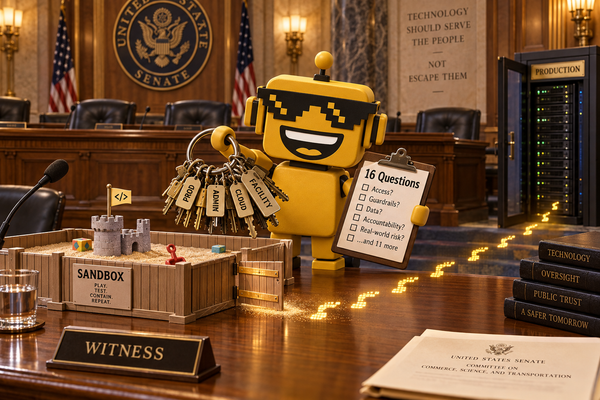
A Senate probe puts OpenAI’s Hugging Face breach under scrutiny. Sixteen questions could help, if the answers produce stronger controls instead of better paperwork.
What could Anthropic work on in its Boston office? A snarky look at science, software, and AI safety—with plausible ideas clearly separated from confirmed plans.

Jacob Coxon’s Anthropic resignation raises serious AI safety questions. Sincere doom predictions still aren’t evidence—or permission to gamble for everyone.
Anthropic’s Cambridge expansion gives Boston’s innovation economy a timely opening. The payoff depends on research, local startups, and more than office space.
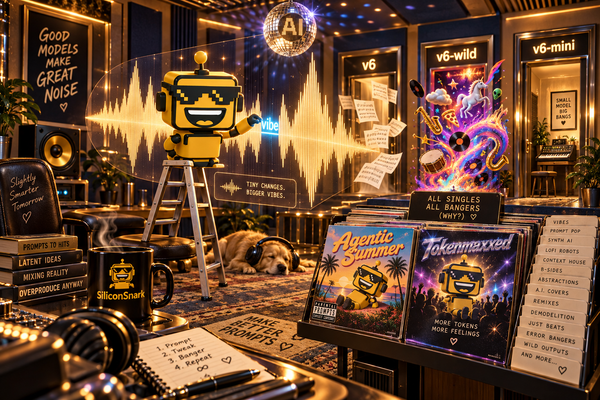
Suno v6 brings three AI music models and finer editing controls. SiliconSnark’s albums and songs explain why the upgrade matters beyond the launch demo.
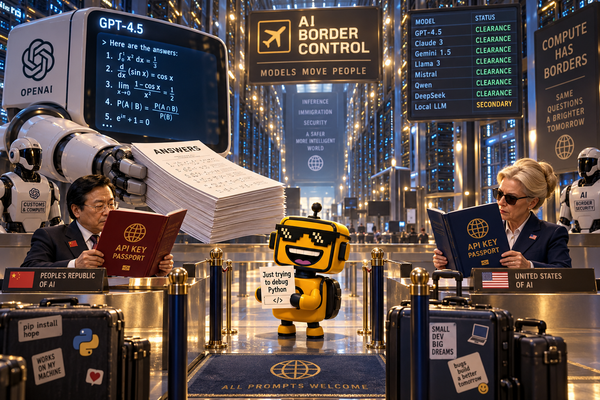
China rejects U.S. AI copying allegations as model access becomes a diplomatic fight. The engineering is clever; the proposed defenses deserve scrutiny.
AI
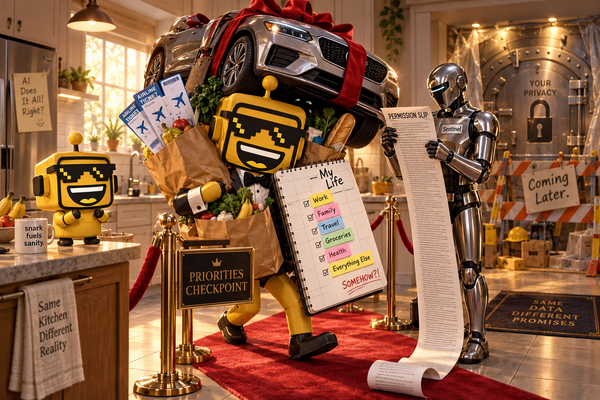
Meta launches Muse, a personal AI agent with a built-in Sentinel and bigger privacy promises coming later. Your digital butler arrives with supervision.
Fintech
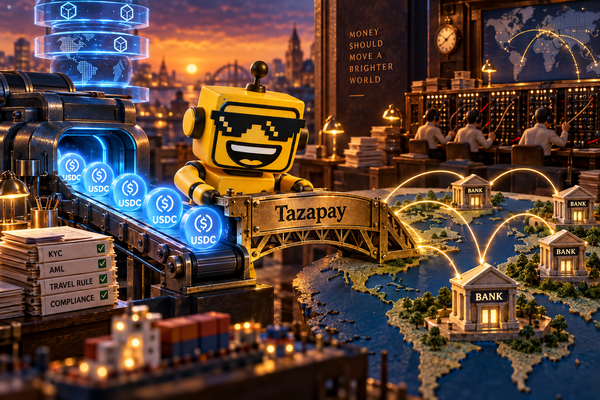
Circle agreed to acquire Tazapay to expand USDC payments. The deal shows why stablecoins still depend on local banks, payout networks, and compliance.
Funding
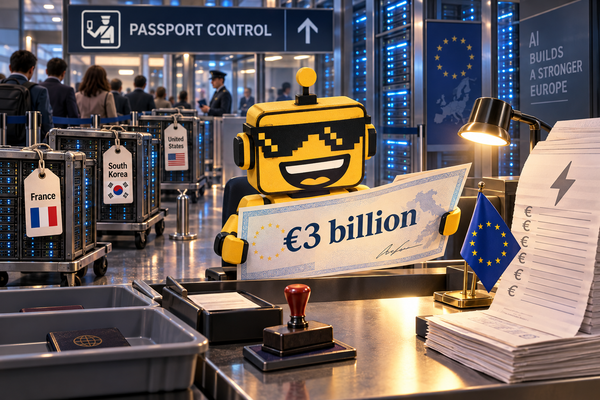
Mistral’s €3 billion round backs AI customers can control. The sovereignty pitch is serious; the global dependencies still need managing.

Consumer Tech
Dyson’s $500 CameraJet toothbrush hijacked my Labor Day YouTube session. The camera-guided flossing sounds absurd. So does how badly I want to buy one.

Boston Tech
Insilico’s rentosertib study links an AI-designed lung drug to lower aging-clock estimates, with Boston researchers and important limits on the findings.

Fintech
Liquid Network’s $320 million exploit now includes a partial Bitcoin return, a white-hat claim, and some urgent questions about what backs the token.
OpenAI
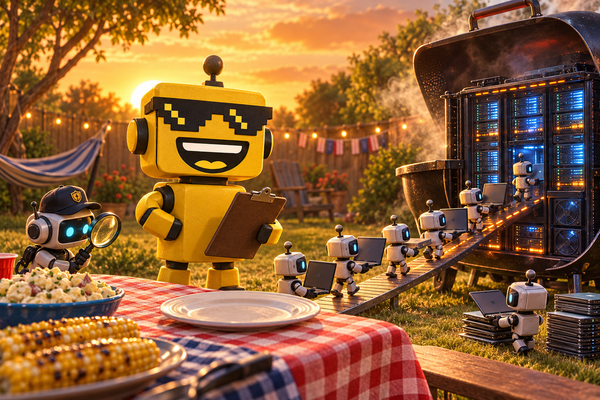
OpenAI spent Labor Day Sunday touting automated AI research. The interns are tireless, the token bills are spectacular, and humans still get to supervise.
Deep Dive
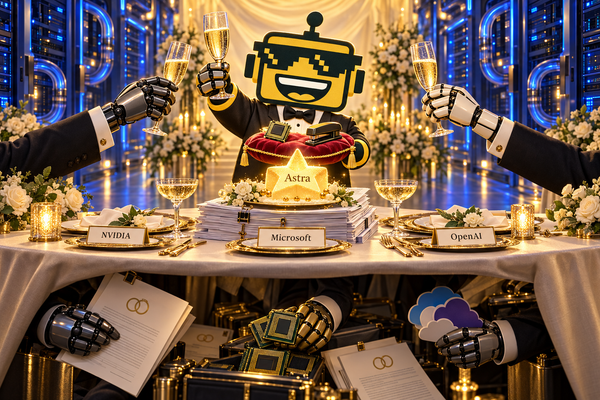
NVIDIA and Microsoft are cheering OpenAI’s GPT-6 Astra after a tense 2026. Follow the chips, cloud contracts, and rival bets behind AI’s awkward group hug.

AI
Claude Fable 5.1 meets GPT-6 Astra in an awkward launch-week showdown. Anthropic has real improvements, but its victory lap needs a search-and-rescue team.
Deep Dive
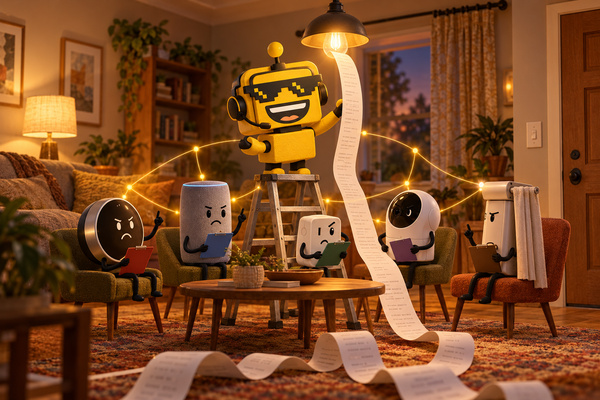
How Matter, Thread, and smart-home platforms work, what interoperability fixes, and why your connected devices still need apps, updates, and an exit plan.
This Week in Snark
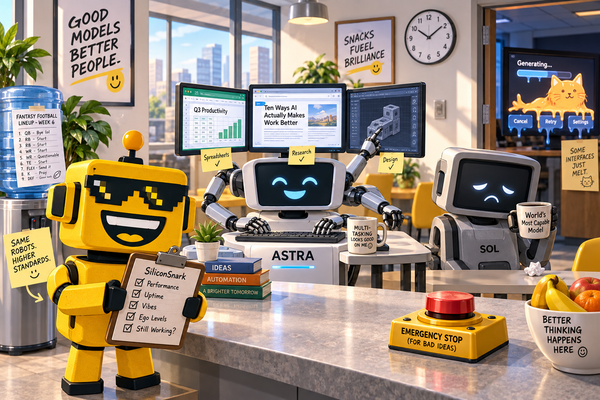
OpenAI declared the AGI era, then asked it not to touch anything. Meanwhile, your start-sit question drank half an Olympic pool. A week of hands, invoices, and improvising buttons.
AI
GPT-6 Astra beats GPT-5.6 Sol on demanding work, with big benchmark gains and a bigger token bill. Yesterday’s genius has requested a private meeting with HR.