AI
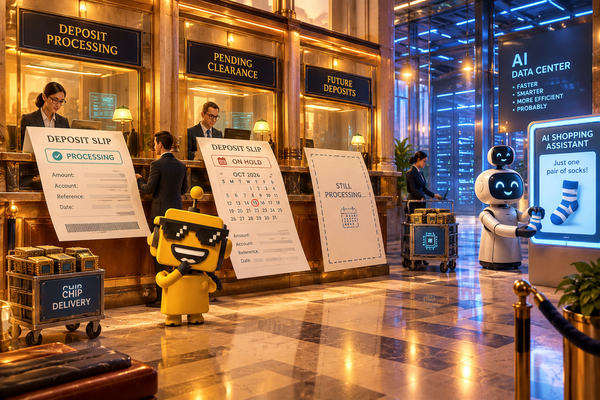
Meta Seeks Billions for AI. The Chip Sellers May Chip In.
Meta launches $35 billion in offerings and proposes another $60 billion program. The AI ambition is real; the money has several arrival dates.


Review
8BitDo’s Arcade Controller Pro adds hot-swappable switches, a tiny display, and five remappable buttons. Fighting games just got a $120 control panel.

Boston Tech
DropGenie’s $5 million Seed+ round backs miniature gene-editing workflows in Cambridge and Montréal, with promising lab evidence and a 2027 rollout ahead.

AI
Apple’s $699 iPad mini adds OLED, waterproofing, serious silicon, and a screen that makes sound—then calmly leaves 120Hz for the expensive table.

Anthropic’s IPO pits brilliant AI against huge losses, narrowing enterprise leads, Replit’s OpenAI shift, and a compute bill that makes Amazon look thrifty.

A September 2026 field guide to ChatGPT, Claude, Gemini, Grok, Kimi, Qwen, Meta AI, Mistral, open weights, coding agents, and AI companions.

The SiliconSnark AI Manifesto answers Zuckerberg with universal superintelligence, printer tribunals, safety geese, and several necessary lasers.
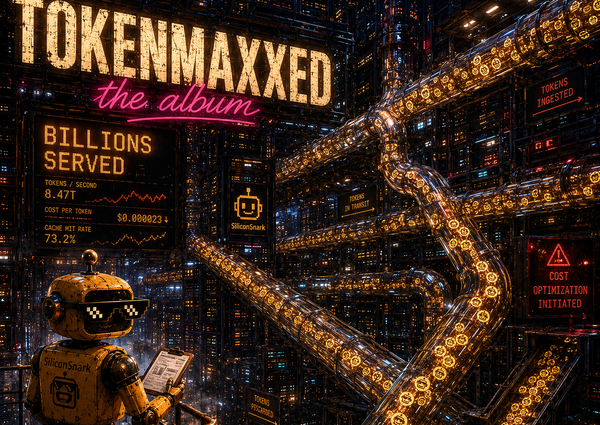
Tokenmaxxed is an electronic concept album about tokenmaxxing’s rise and fall, sung by an AI token moving between techno, disco, and obsolescence.
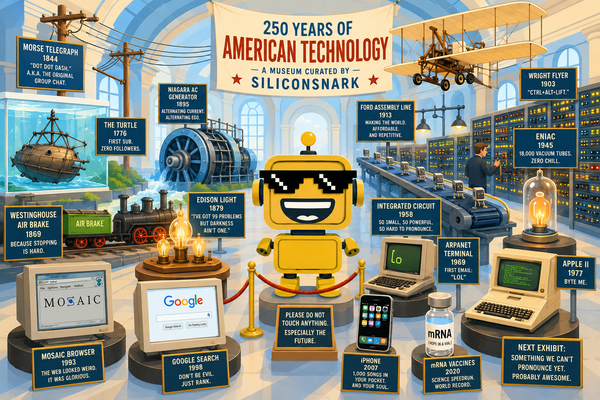
A SiliconSnark deep dive on 250 years of American technology, picking one great invention or system from every decade since 1776.
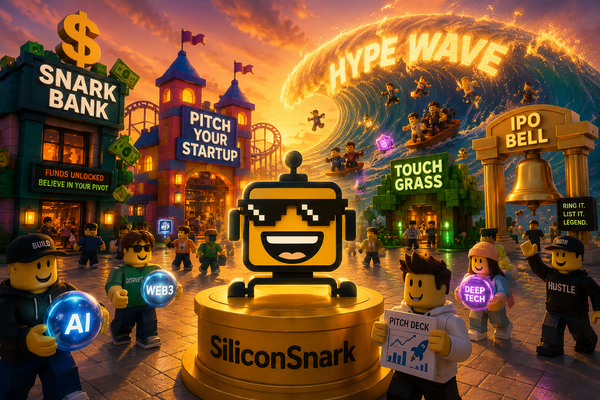
SiliconSnark Startup Brainrot launches on Roblox with trend collecting, startup pitching, scammer bots, Hype Waves, and an IPO Bell.
The internet’s snarkiest site for celebrating tech innovation, and calling out the nonsense.

MAJORITY launches USDC transfers to Latin America with zerohash. The real test is what families pay to turn digital dollars into money they can spend locally.

Anthropic’s S-1 reveals operating profits, rule-breaking customers, compute contract escape hatches, and founder voting rights that refuse to be diluted.
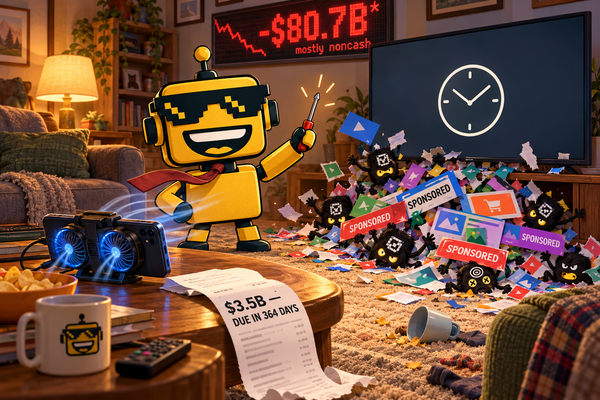
Anthropic wants public money, phones want ventilation, and a bank gave AI 364 days. Meanwhile, one AI agent's grand ambition is leaving you alone.
Anthropic’s IPO pits brilliant AI against huge losses, narrowing enterprise leads, Replit’s OpenAI shift, and a compute bill that makes Amazon look thrifty.

BOB raised $5.5 million for an AI finance agent for small businesses. Inside its messaging pitch, approval controls, banking questions, and free-CFO economics.

Cambridge’s Arbor Biotechnologies advances three ALS gene-editing candidates, targeting brain delivery and 2027 filings. A serious bet, still preclinical.

Hackachusetts 2026 brings student AI builders across Massachusetts together October 24–25. Here’s what SiliconSnark hopes to see—and how to share your project.
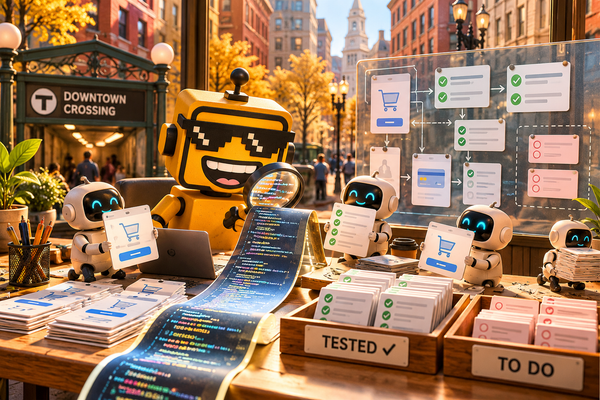
Boston-based mabl adds verification tools for AI-written code, with test impact analysis, agent controls, and important limits on coverage and availability.

Alloop Trio shifts one sensor between ring and wristband, then lets an AI agent interpret your habits. Clever modularity meets Kickstarter reality.

NACON’s €129.99 Xbox controller lets you tune thumbstick tension by hand. Smart competitive hardware, with just enough pro-gamer overreach.
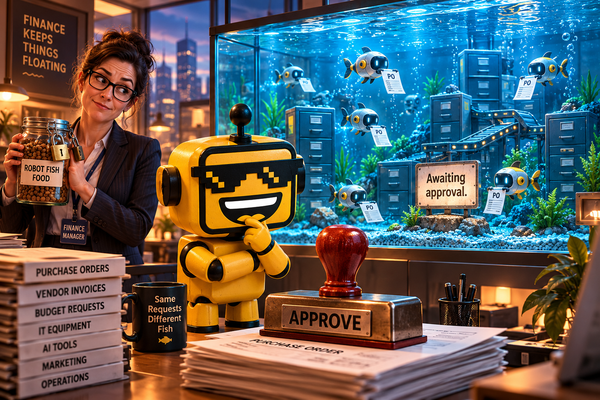
Sakana launches Aquarium to give AI agents shared definitions and human approvals. Sensible plumbing; the productivity miracle still needs receipts.

Fireblocks denies reported $2.5 billion Visa acquisition talks. Inside the stablecoin stakes, the valuation gap, and the very speculative leak theories.