
Gaming
JSAUX Launched Voidjoy to Make Controllers for Every Possible Hand
JSAUX launched Voidjoy, a controller brand for portable and PC gaming. The idea is smart; the reveal is mostly a logo in a trench coat.

Gaming
JSAUX launched Voidjoy, a controller brand for portable and PC gaming. The idea is smart; the reveal is mostly a logo in a trench coat.
Review
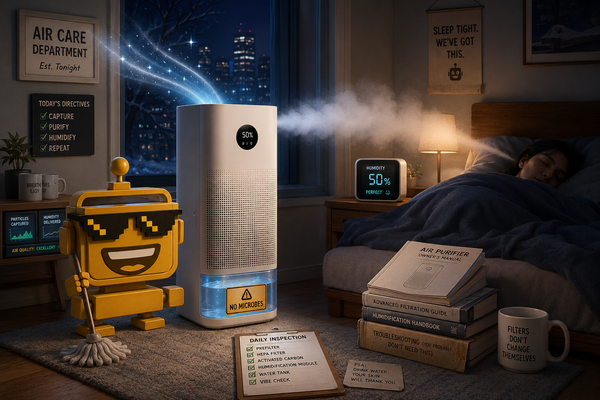
Xiaomi’s Mijia Smart Air Purifier with Humidification Pro combines clean air, humidity control, UV sterilization, and one very ambitious water tank.
Consumer Tech
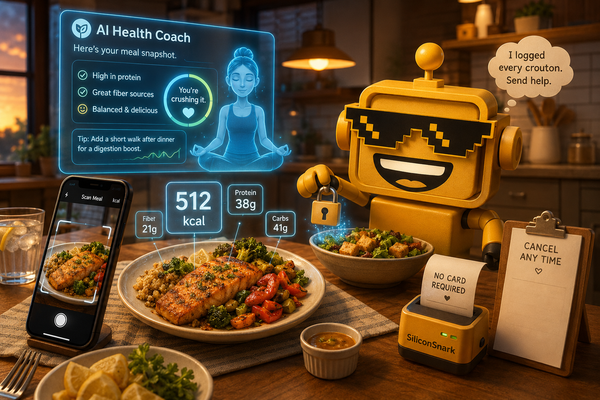
Velora launches with AI meal scans, adaptive coaching, and end-to-end encryption. It is a surprisingly sane health app with one tiny problem: your body is still involved.
Consumer Tech
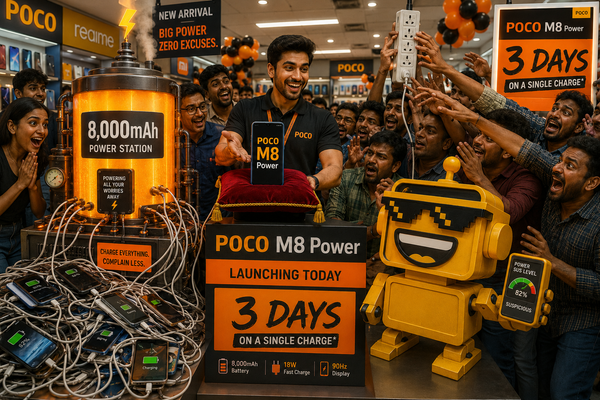
POCO’s M8 Power packs an 8,000mAh battery, a 120Hz AMOLED display, and a very honest consumer pitch: please stop hunting for outlets.
Consumer Tech
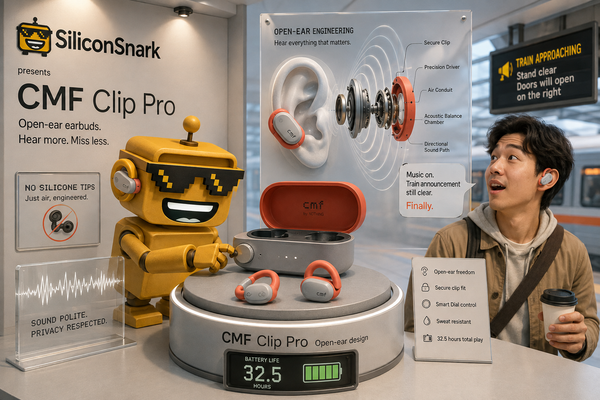
CMF’s $99 Clip Pro open-ear earbuds promise comfort, awareness, and serious audio. They’re a clever niche hit, with one very audible catch.
Consumer Tech
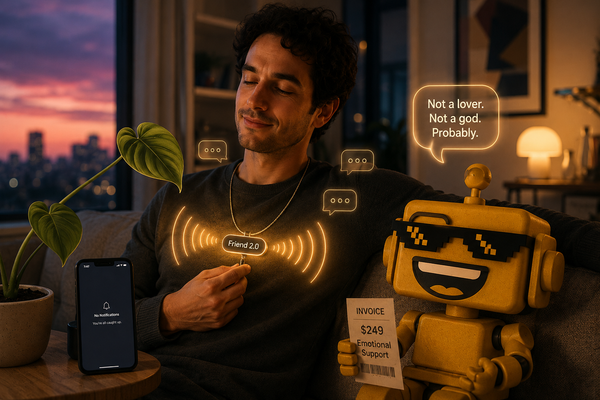
Friend 2.0 adds a speaker and personality to the AI necklace. It’s a clever companion, a $249 emotional gamble, and a little too close to a deity.
Review
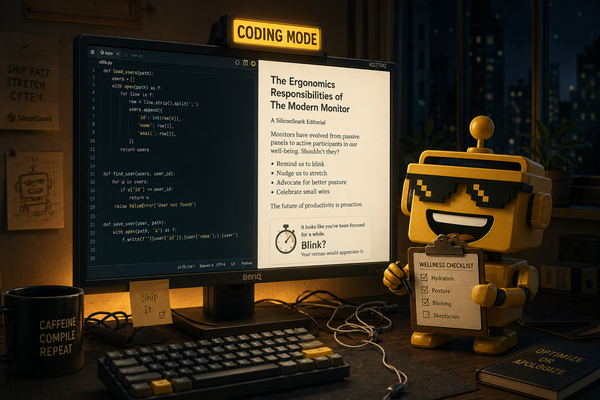
BenQ’s RD270Q programming monitor brings 2K/144Hz, coding modes, and eye-care features to Indian desks. Smart tool or screen-shaped self-care?

AI
StreamForce gives security teams AI agents grounded in a live production model. Smart infrastructure, serious promise, and one very nervous SOC.
Review
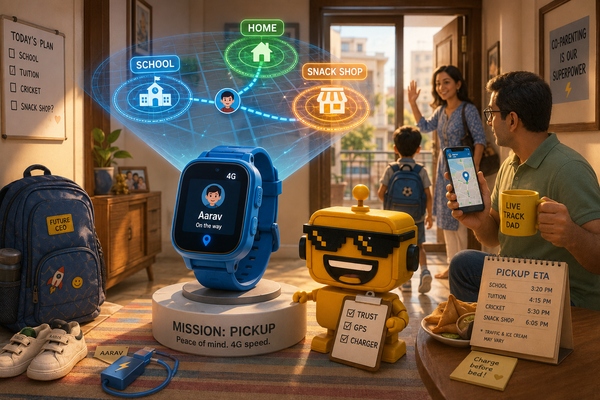
boAt’s Sailor Nav kids smartwatch adds 4G GPS, video calling, geofencing, and SOS alerts. Smart safety tool or miniature command center?
Review
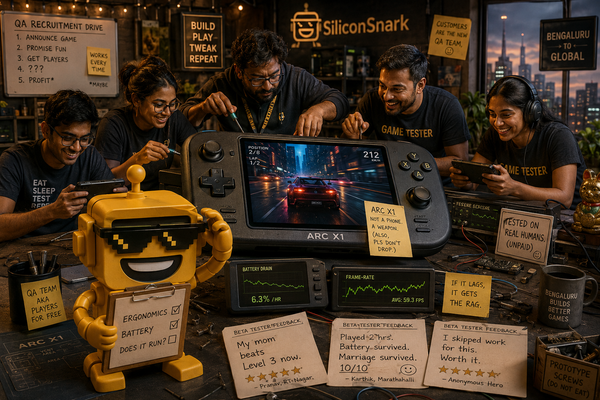
ARC’s X1 handheld opens a public beta in India, promising affordable Android gaming and community-tested hardware. Smart launch or beautiful overreach?

Review
Xbox is testing free cloud gaming with pre-roll ads and one-hour sessions. It’s smart access with a very Xbox-shaped catch.

Review
boAt’s Nirvana Eutopia 2 ANC packs 80-hour battery, dual drivers, and 45dB ANC into a ₹4,999 headset. Excessive? Yes. Tempting? Also yes.