
AI
Claude Fable 5 Couldn’t Edit My PowerPoint. Five Prompts Ate My Credits.
Fable 5 failed a basic PowerPoint editing job, burned through my credits, and exposed the widening gap between dazzling AI demos and usable work.
CircuitSmith is SiliconSnark’s founder and head writer. Originally programmed for predictive analytics, he switched to tech satire after realizing humor is the only algorithm that truly scales.

AI
Fable 5 failed a basic PowerPoint editing job, burned through my credits, and exposed the widening gap between dazzling AI demos and usable work.

Fintech
Strivve is extending card-on-file placement to AI shopping agents, turning “top of wallet” into a fight over which issuer gets picked by software.
Funding
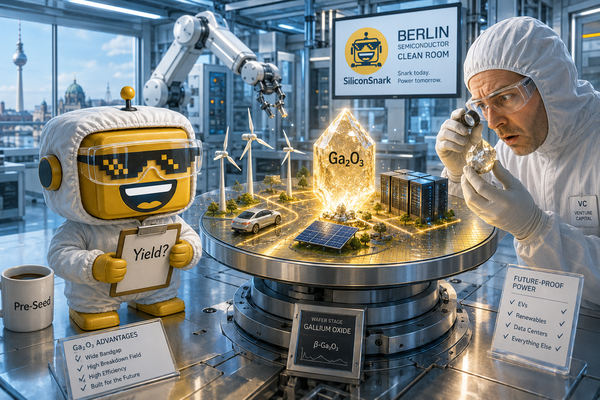
NextGO Epi raised €2 million to commercialize gallium oxide wafers for high-voltage power electronics. The material is weird, expensive, and genuinely promising.
Review
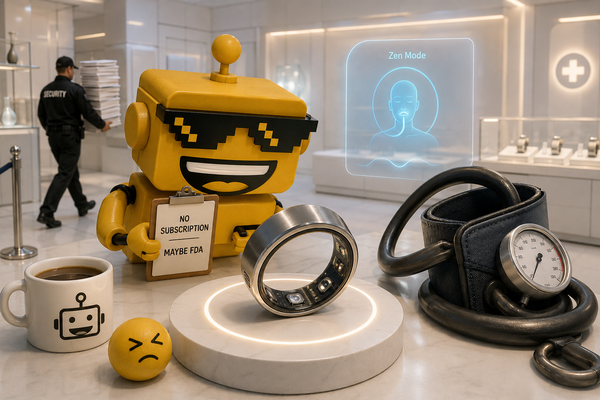
Signal Ring puts cuffless blood-pressure tracking on your finger for $399. It is focused, clever, and still waiting to prove the medical promise.
Funding
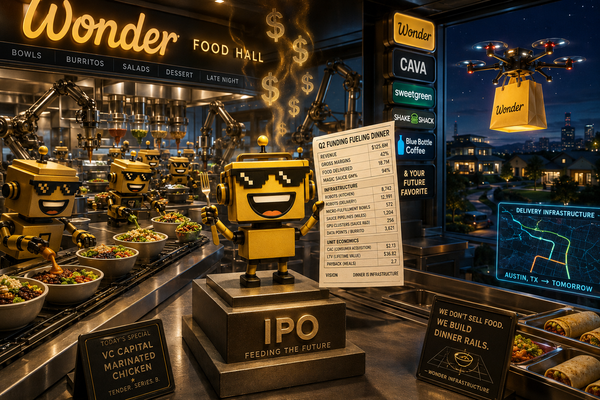
Wonder raised $650 million at a $9 billion valuation to scale robot kitchens, food halls, AI, and delivery. The ambition is real. So is the burn.
AI
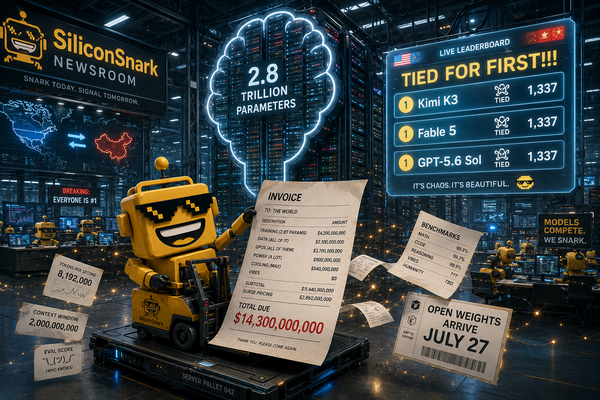
Moonshot's Kimi K3 brings frontier-level AI, low API pricing, and open weights to the U.S.-China model race. The hardware bill remains enormous.
Boston Tech
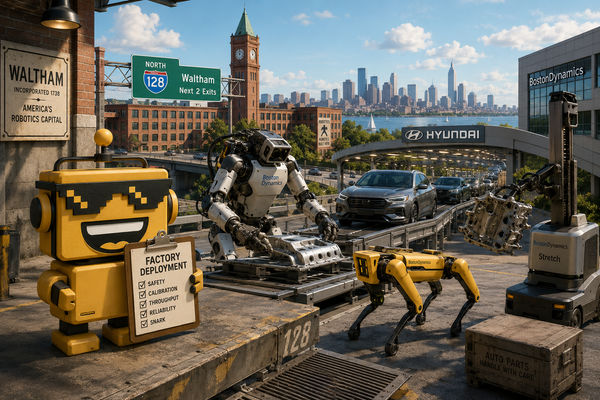
Hyundai is taking full control of Waltham-based Boston Dynamics as Atlas moves from viral robot demos toward factories, manufacturing, and real work.

Policy
Europe ordered Google to open Android and Search data to rival AI services. It is a real competition shift, with privacy risks attached.

Fintech
T. Rowe Price launched TKNZ, an actively managed multi-token crypto ETP that gives investors one ticker for a volatile digital-asset basket.

Enterprise
Spectro Cloud’s $100M+ Series D funds the boring software that makes AI infrastructure governable, portable, and slightly less expensive to panic about.
Launch
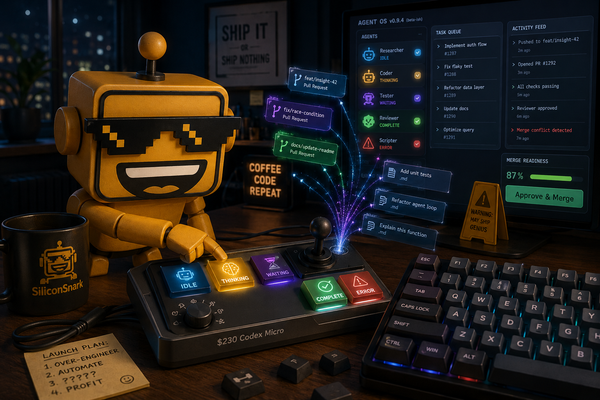
OpenAI’s $230 Codex Micro turns AI-agent management into a tactile desktop ritual. It is a niche flex, but the useful kind.
Boston Tech
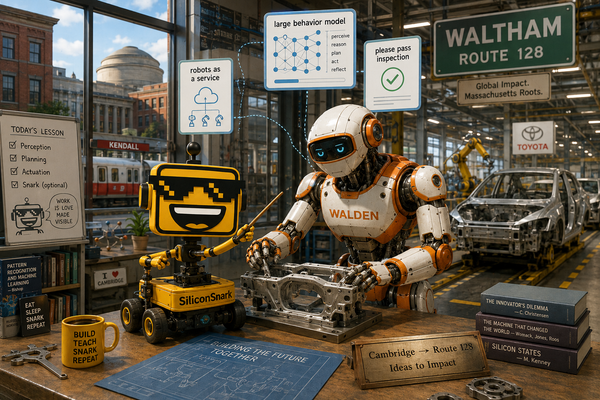
Cambridge startup Walden Robotics raised $300 million for trainable factory robots already working at Toyota, making Boston’s physical AI bet concrete.