Fintech
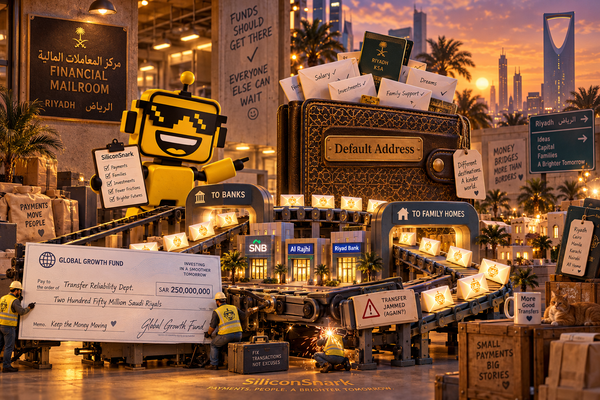
Barq Raised $329.5 Million to Become Your Money’s Default Address
Barq’s $329.5 million Series A values the Saudi wallet at $1.85 billion. The real test is turning payment traffic into repeat use and a durable business.
Fintech
Barq’s $329.5 million Series A values the Saudi wallet at $1.85 billion. The real test is turning payment traffic into repeat use and a durable business.

Fintech
Tabby announced $233 million in funding at a $6.5 billion valuation. Its expansion beyond BNPL puts credit, cash balances, and customer trust in one app.
Funding
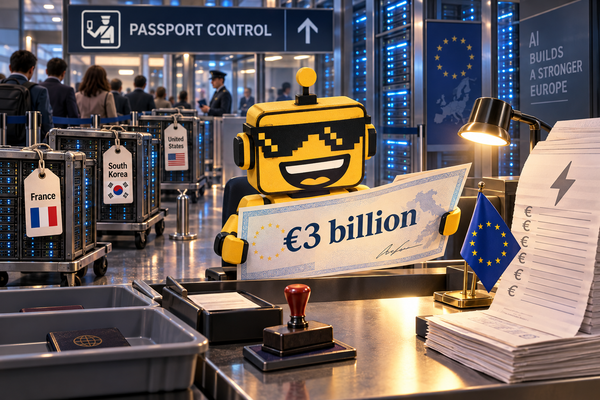
Mistral’s €3 billion round backs AI customers can control. The sovereignty pitch is serious; the global dependencies still need managing.
Boston Tech
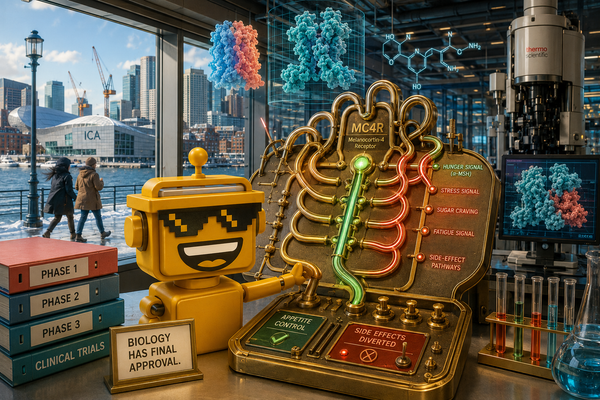
Boston biotech Superluminal Medicines raised $60 million to take an AI-designed oral drug for rare genetic obesity into its first human trial.
Fintech
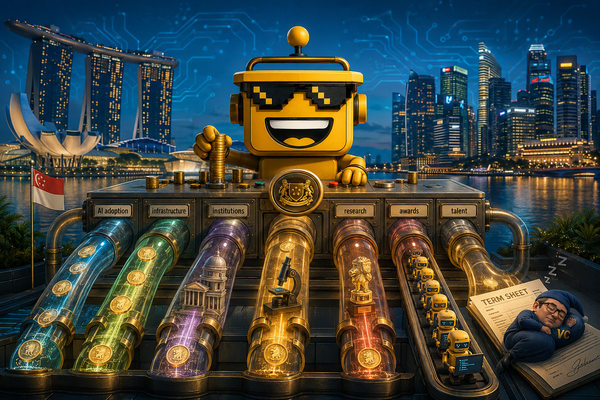
Singapore’s S$220 million FSTI 4.0 plan backs fintech AI, infrastructure, talent, and scale-up grants as private investment becomes more selective.
Startups
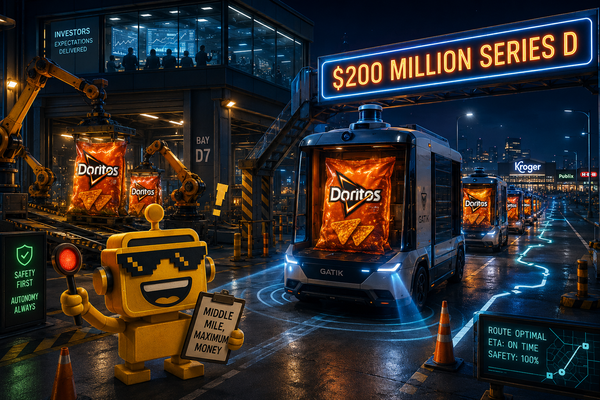
Gatik raised $200 million to scale driverless box trucks for PepsiCo and other giants. The middle mile is suddenly very real—and very expensive.
Startups
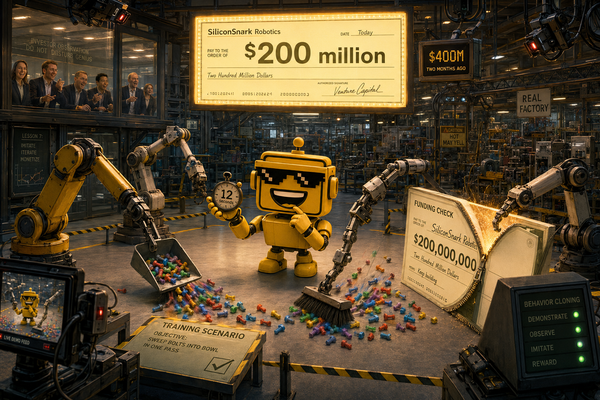
Generalist added $200 million for a robot brain that learns from demonstrations. The science is promising; the funding cadence has achieved sentience.
Fintech
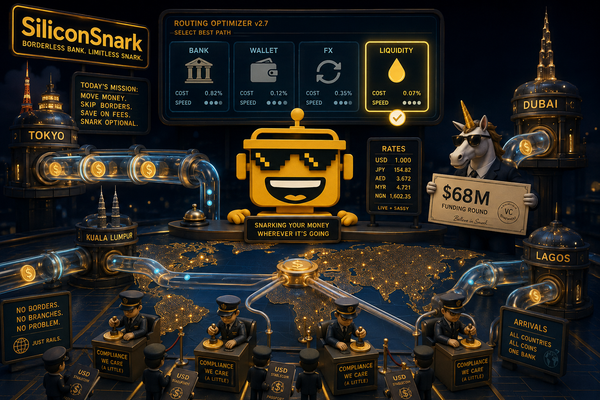
Fasset raised $68 million at a $1 billion valuation to expand its stablecoin neobank. The hard part is not moving tokens; it is moving trust.
Boston Tech
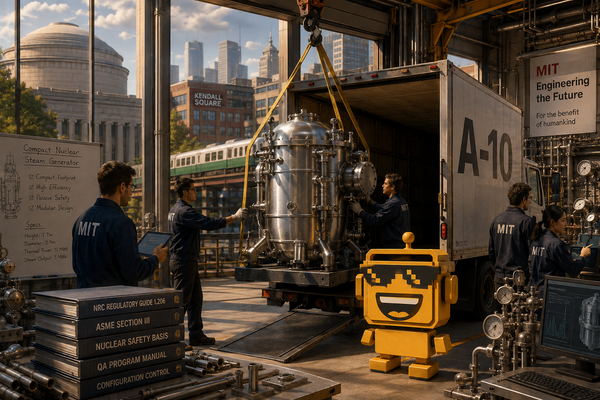
Cambridge startup Apollo Atomics raised $31 million to build compact, factory-made nuclear reactors around a radically smaller steam generator.
Startups
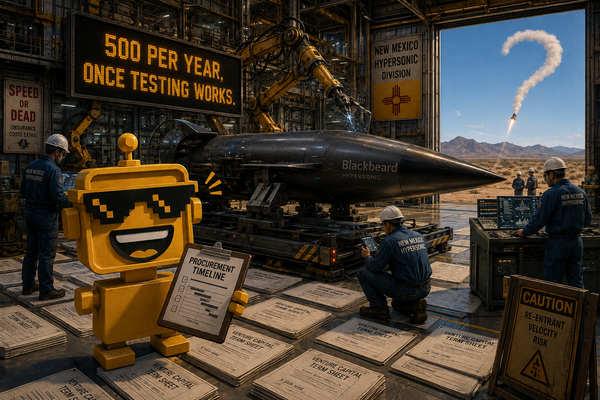
Castelion raised $800 million to mass-produce cheaper hypersonic missiles. The industrial thesis is real. So is the terrifying paperwork.
AI
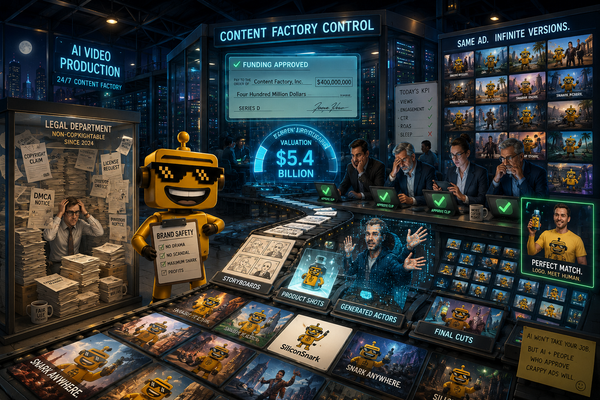
Higgsfield raised $400 million at a $5.4 billion valuation to scale AI video for creators, marketers, and enterprises. Serious platform, enormous vibes.
Startups
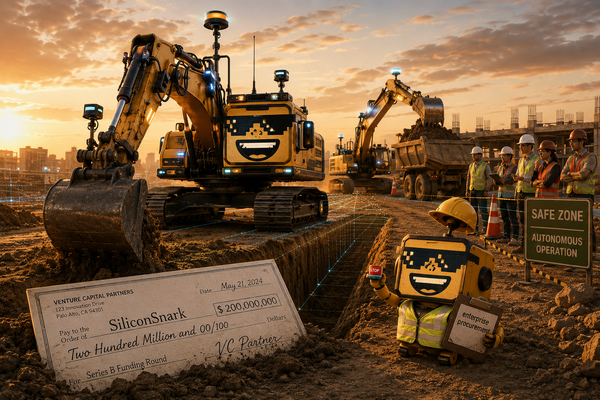
Gravis Robotics raised $200 million from SoftBank for autonomous excavators. The physical AI is real, the jobsite is messy, and the robot still needs supervision.