AI
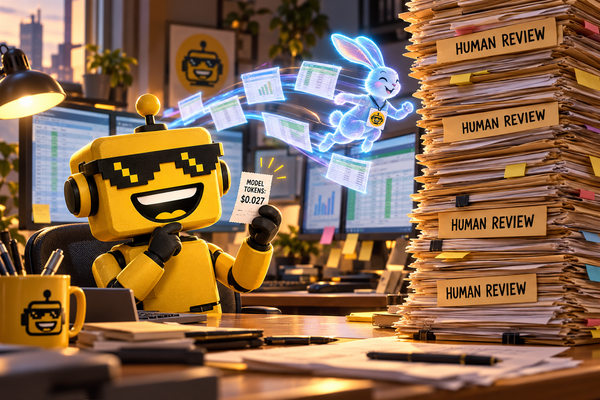
MiniMax Cuts the AI Agent Bill. The Supervisor Still Costs Extra.
MiniMax launches M3.1 Flash with bargain token rates and ambitious agent benchmarks. Cheap attempts matter; correctly finished work matters more.
AI
MiniMax launches M3.1 Flash with bargain token rates and ambitious agent benchmarks. Cheap attempts matter; correctly finished work matters more.

AI
Meta’s Muse launches put it back in the AI race. Inside Wonder, Spark Open, the rivals preparing their next moves, and the suspiciously cuddly mascot.
AI
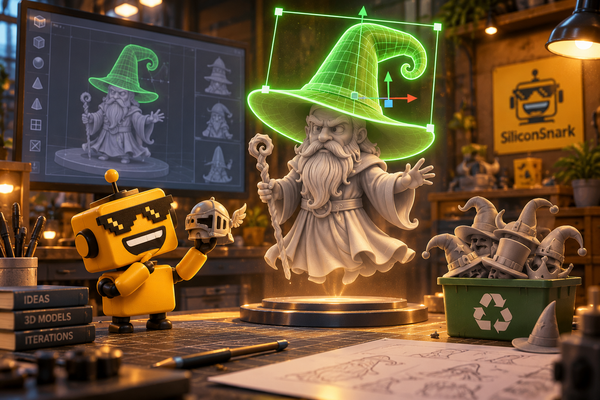
Meshy Edit promises to change one part of a 3D model for 20 credits. A useful revision tool, provided the wizard gets to keep his face.
AI
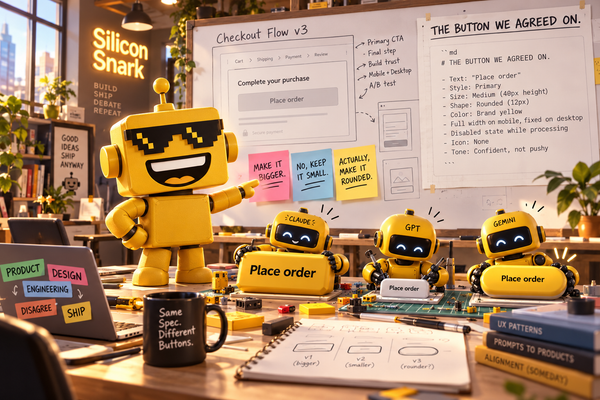
Figma launches Specs, code layers, and a built-in backend. Shared context is a real advance; agreement and reliable software still require humans.
AI
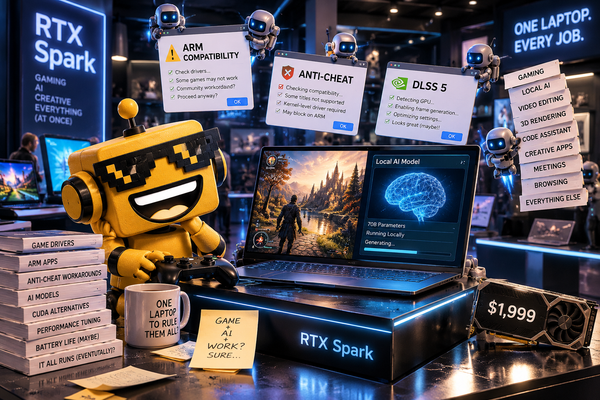
NVIDIA’s RTX Spark laptops bring Blackwell graphics and DLSS 5 to AI PCs. Great hardware, awkward game compatibility, spectacularly niche.

Startups
Molagri raised $5.8 million to build targeted biopesticides that can adapt to pesticide resistance. The science is elegant; the field is not.

Boston Tech
Cambridge-based Tamr raised $21 million led by Volition Capital to expand AI data management, tackling duplicate records before enterprise agents use them.
AI
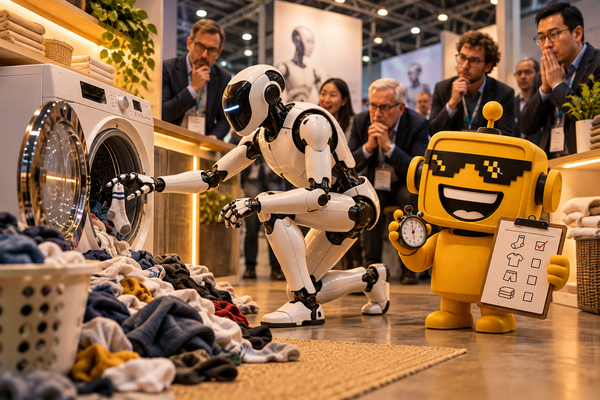
NEURA’s Neuron AI combines senses and memory for physical work. An eleven-minute laundry demo is coming; proof of dependable robot labor is still pending.
Startups
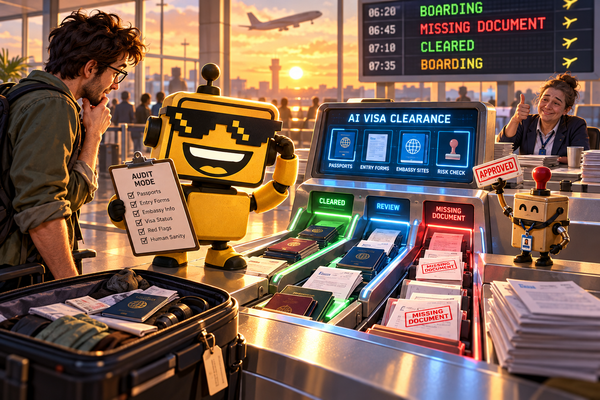
Intellivisa raised $3 million to automate visa and entry paperwork. The pitch is useful, ambitious, and one government portal away from chaos.
AI
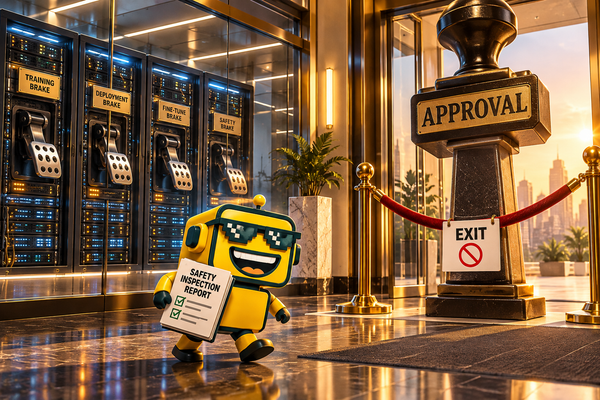
OpenAI and Anthropic face scrutiny over evaluator publication rights. Protecting trade secrets is reasonable. Making independence negotiable is the problem.

AI
Apple’s $299 HomeView makes Siri AI useful in the kitchen, but facial recognition, subscriptions and ecosystem gravity come with dinner.

AI
Meta launches Muse Wonder and Wonder Full with memory, coding, and persistent agents. OpenAI and Anthropic might want to check who’s eating their lunch.