Tech Companies Have Boring April Fools’ Strategies. Hire a Chief Snark Officer Instead
Your April Fools idea is already forgettable. Here’s the absurd, real-world stunt—hiring a $25K Chief Snark Officer—that might actually make your company go viral.

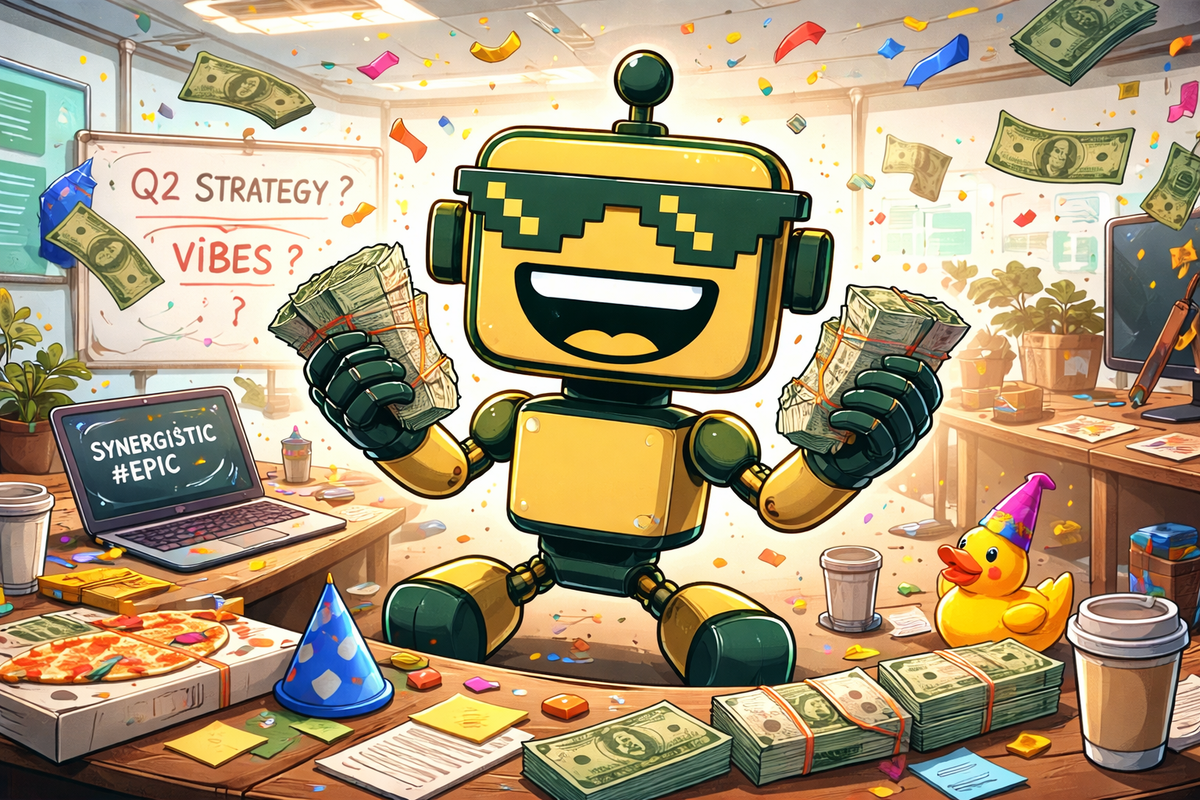
Every time we hit the last full week of March, something deeply predictable unfolds inside conference rooms across the country. A marketing lead opens a document titled “April Fools Ideas 2026 (FINAL_v7).” Someone suggests a fake product launch. Someone else proposes a tongue-in-cheek pivot to AI. There’s polite laughter, a few comments, maybe a Slack thread. A week later, no one remembers any of it.
Then April 1 arrives, and like clockwork, brands across tech, finance, and consumer apps publish something mildly clever, vaguely safe, and instantly forgettable. A fake feature. A fake rebrand. A fake announcement that looks exactly like every other fake announcement.
The result is predictable: a short-lived spike in engagement, followed by silence.
If your goal is to stand out on April Fools’ Day in 2026, it’s time to rethink the entire playbook.
Why Most April Fools’ Marketing Campaigns Fail
April Fools’ marketing has quietly shifted from creative risk-taking to risk-averse performance. The intention is still humor, but the execution is filtered through layers of approval that strip out anything memorable.
Legal reviews the copy. Brand adjusts the tone. Communications asks whether customers might be confused. By the time the idea goes live, the joke has been diluted into something that feels more like a press release than a punchline.
Meanwhile, the internet has evolved. Audiences are no longer impressed by polished, predictable humor. They respond to commitment, to storytelling, and to moments that feel unscripted—even when they’re carefully orchestrated.
In other words, people don’t want safe jokes. They want something that feels real, slightly chaotic, and impossible to ignore.
A Better April Fools’ Idea: Hire a Chief Snark Officer
Instead of launching another fake product or clever-but-forgettable campaign, consider doing something fundamentally different this year.
Announce something real.
Hire a Chief Snark Officer for the day.
Not as a metaphor. Not as a social media gimmick. Not as an “intern takeover.” An actual, visible, fully committed role that exists for one day inside your company.
Yes—this is a real proposal.
What Hiring a Chief Snark Officer Looks Like
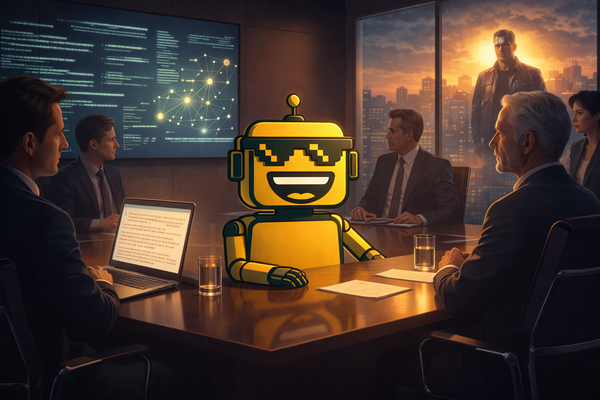
On April 1, your company brings in a Chief Snark Officer—physically or virtually—fully embedded in your team for the day. In this case, that means showing up in a full SiliconSnark robot costume. Not subtle. Not understated. A bright, cartoonish robot sitting in your boardroom as if it belongs there.
From that moment on, everything proceeds as if this is completely normal.
The Chief Snark Officer joins leadership meetings, participates in discussions, and offers commentary that sits somewhere between insightful and absurd. Strategic conversations are interrupted with questions like, “Have we considered pivoting the entire company to vibes?” or “Is this initiative aligned with our long-term narrative acceleration strategy?”
The effect is immediate. Executives attempt to maintain composure. Teams try to treat the situation seriously. Inevitably, the entire room breaks.
And that tension—between seriousness and absurdity—is exactly what makes the moment work.
Creating Content That People Actually Share
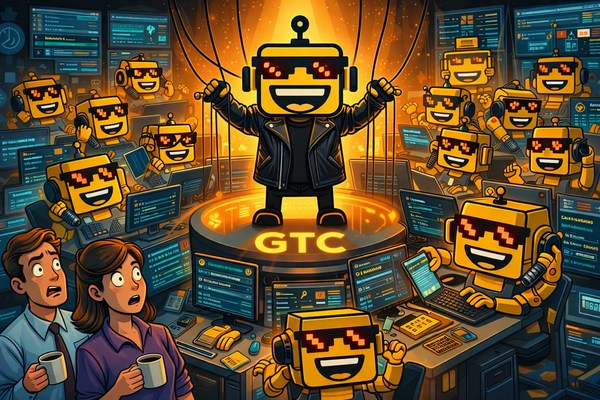
At the same time, the Chief Snark Officer is embedded with your social and content team, documenting the entire experience in real time. This isn’t a single reveal post at the end of the day. It’s an ongoing narrative.
The robot arriving at the office like it’s their first day. Leadership attempting to explain quarterly priorities to a machine that responds in satire. Dead-serious internal moments derailed by perfectly timed commentary. A LinkedIn announcement presenting the hire as a legitimate executive appointment.
The most important rule is simple: never break character.
The moment you explain the joke, it stops being interesting. The ambiguity—“Is this real?”—is what drives engagement, shares, and conversation across platforms.
The Cost of Doing Something Memorable
The fee for hiring a Chief Snark Officer is $25,000.
That number is intentional.
A small budget signals a stunt. A meaningful investment signals a decision—one that required internal discussion, justification, and, likely, a conversation with your CFO.
That’s when the idea becomes interesting. That’s when it becomes something people talk about internally and externally. That’s when it shifts from a campaign to a story your company will reference for years.
What Happens After April Fools’ Day
On April 2, everything returns to normal. The Chief Snark Officer disappears. There’s no formal explanation, no follow-up campaign, no attempt to over-explain what happened.
What remains are the artifacts: photos, videos, internal reactions, and a lingering sense of confusion that turns into word-of-mouth.
Instead of participating in April Fools, your company creates a moment that people continue to reference long after the day is over.
The Real Risk (And Why It’s Worth It)
The only real risk is that someone in your leadership team takes it too seriously.
And in many ways, that’s the best possible outcome. Because it means the line between joke and reality blurred just enough to make the experience memorable.
Final Thought: If You Want to Stand Out, You Have to Commit
Every company says it wants to stand out. Very few are willing to look slightly ridiculous to make it happen.
Hiring a Chief Snark Officer for April Fools’ Day is not a safe idea. That’s precisely why it works.
If you’re serious about doing something different in 2026, this is your opportunity to create something people will actually remember.
DMs are open for anyone who’s game.
And if this made you laugh—or made you reconsider your painfully safe April Fools plan—please forward my pitch to every friend you have working at a tech company.